
 11
11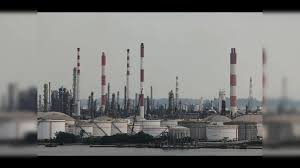
In response to ongoing geopolitical tensions in West Asia that have severely strained global energy markets, the Government of India has implemented massive regulatory measures. During a comprehensive Inter-Ministerial briefing, officials confirmed that all domestic public sector petroleum refineries are currently operating at maximum capacity to prevent shortages. To cushion Indian consumers from volatile global oil prices, the Union Government took a decisive step to absorb a part of the economic burden. This was achieved by executing a substantial reduction in domestic excise duties on both petrol and diesel by ten rupees per litre. Simultaneously, a formal Gazette notification revealed that the government has sharply reduced the export levy on diesel from twenty-three rupees to sixteen rupees fifty paise. The export levy on Aviation Turbine Fuel (ATF) was also slashed significantly from thirty-three rupees to sixteen rupees to assist the aviation industry. Conversely, a new export duty of three rupees per litre has been imposed on petrol to ensure that domestic supplies remain heavily prioritized. To curb potential black marketing and hoarding of essential cooking gas, law enforcement agencies conducted over five thousand surprise raids across India. These stringent actions resulted in penalties levied against hundreds of LPG distributorships and the outright suspension of several non-compliant operators. Citizens are being actively encouraged by the Ministry of Petroleum to conserve energy and transition toward alternate options like Piped Natural Gas (PNG). This multifaceted economic and regulatory strategy highlights India’s proactive approach to maintaining national energy security during a prolonged international supply crisis.