

 11
11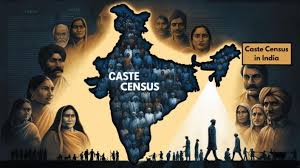
The Supreme Court of India delivered a landmark observation regarding national policy, stating that there is absolutely nothing wrong with the government conducting a caste census. A three-judge bench, presided over by Chief Justice of India Surya Kant, explicitly clarified that ascertaining caste data is a legitimate exercise of administrative governance. The apex court emphasized that any ruling government must possess accurate data regarding the socio-economic demographics of the population it serves. Knowing precisely how many citizens are backward and identifying who genuinely requires systemic welfare support is fundamentally a matter of essential state policy. The bench noted that comprehensive demographic data allows for the scientific formulation and precise targeting of affirmative action and developmental programs. This significant judicial observation came during the hearing of petitions challenging the inclusion of detailed caste parameters within broader nationwide census exercises. The ruling directly validates the demands of various political factions and regional states that have long advocated for an updated caste-based demographic assessment. Legal experts suggest that this clear stance from the Supreme Court will provide substantial legal backing to future state-led data collection initiatives. Opponents of the caste census have previously argued that such exercises could potentially deepen existing societal divisions and aggravate identity-based politics. However, the judiciary’s recent remarks firmly prioritize the constitutional mandate of uplifting marginalized communities through data-driven governance and targeted resource allocation. The observation is expected to accelerate ongoing debates surrounding reservation quotas and the restructuring of national welfare distribution networks. Consequently, this judicial backing marks a pivotal moment in India’s long-standing legal and social discourse on institutional equality.