
 11
11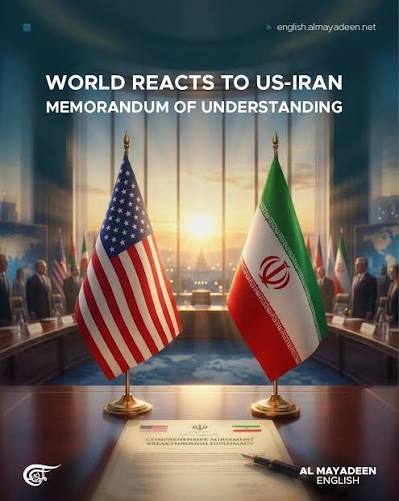
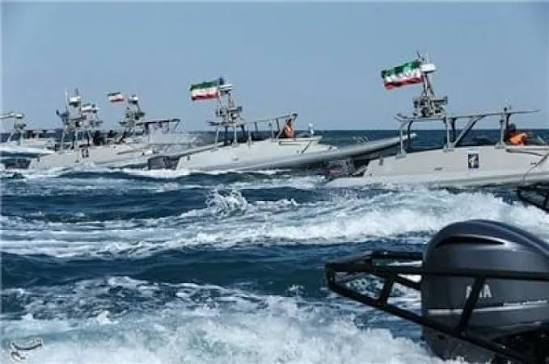
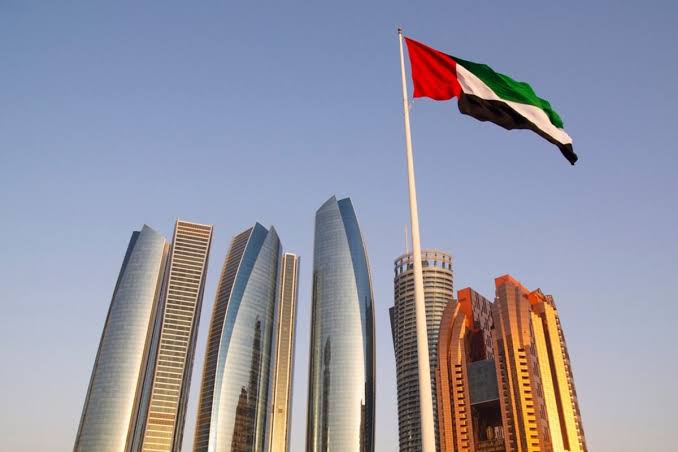
A newly announced memorandum of understanding (MoU) between the United States and Iran has left Gulf Arab states navigating a complex, highly volatile security landscape. While the temporary agreement successfully secured a commitment from Tehran to reopen the economically vital Strait of Hormuz—easing critical bottlenecks on oil and gas exports—analysts observe that it largely sidesteps the core security anxieties of regional neighbors. Wealthy Arab states find themselves feeling highly exposed to ballistic missile threats and localized drone infrastructure, prompting a significant shift toward pragmatic, independent diplomacy. Rather than relying solely on the fluctuating security umbrella provided by Washington, nations like the United Arab Emirates and Saudi Arabia are actively opening direct channels of communication with Tehran to establish a stable baseline of regional deterrence. Observers suggest that this proactive shift underscores a broader strategic transformation across the Gulf, as local leadership increasingly prioritizes regional stabilization, maritime safety, and economic security over long-standing geopolitical rivalries.