
 11
11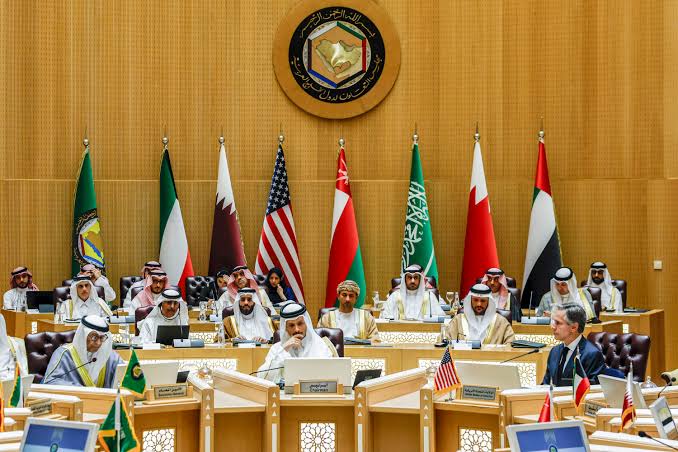
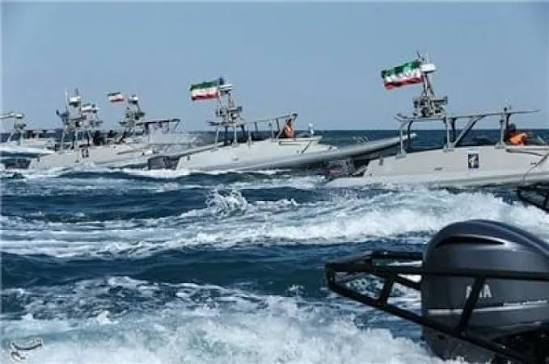
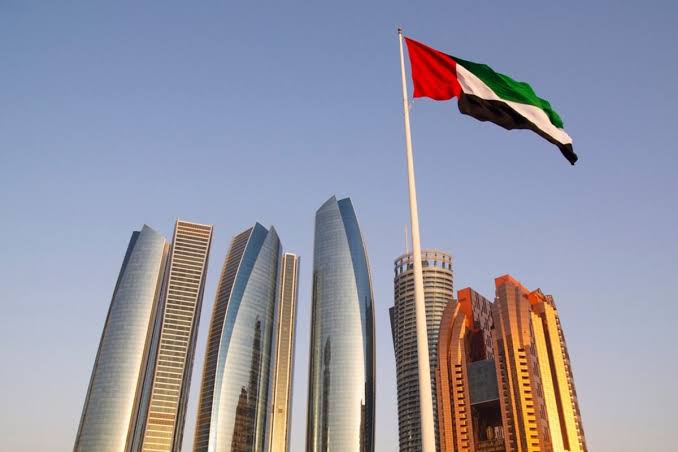
The geopolitical landscape of the Arabian Peninsula has reached a critical flashpoint as the United Arab Emirates and Saudi Arabia issue powerful, coordinated high-level condemnations against renewed Iranian missile and drone strikes targeting neighbor states like Bahrain, Kuwait, and Jordan. This sudden fracturing of the precarious, short-lived Islamabad Memorandum of Understanding truce—which had temporarily paused broader regional hostilities—has forced Gulf capitals into an urgent re-evaluation of their collective defense strategies. Compounding the immediate crisis, the Yemen-based Houthi rebel leadership has launched an aggressive, televised threat declaring that all major Saudi oil facilities, international shipping hubs, and vital economic installations will become immediate targets for tactical drone swarms if Riyadh permits its airspace to be utilized for counter-offensives. The explicit escalation follows recent clashes at Sanaa airport, effectively dismantling years of diplomatic rapprochement and triggering an immediate security scramble that has prompted the U.S. State Department to issue strict emergency alerts ordering non-essential personnel out of regional embassies. In response to the growing vulnerability of the crucial Strait of Hormuz shipping lanes, where UN Secretary-General António Guterres has pleaded for maritime navigation rights to be strictly respected, the Gulf Cooperation Council (GCC) is undergoing a major paradigm shift. Member nations are now moving away from subcontracting their sovereign safety to Western superpowers, actively pivoting instead toward independent defense capabilities, region-wide intelligence sharing, and heavy investments in cross-border pipeline alternatives that entirely bypass unstable chokepoints. As citizens across the Gulf express deep anxiety regarding infrastructure damage and the severe economic toll of prolonged volatility, regional leaders are fiercely warning that further unilateral aggression against GCC borders will be met with an unprecedented, highly unified military and diplomatic coalition.