
 11
11
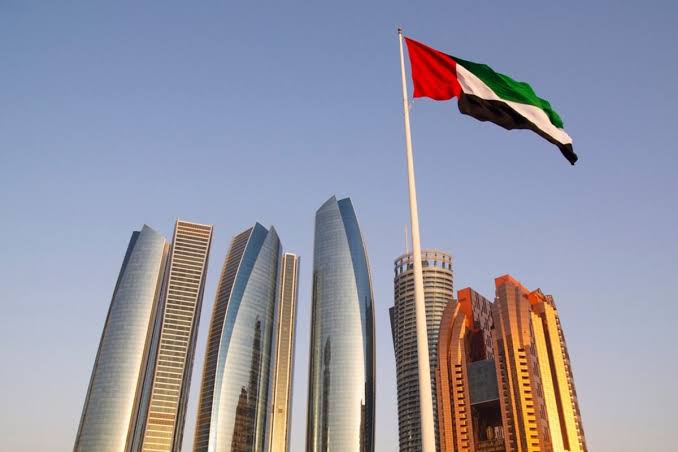
Amidst intense geopolitical friction rippling across the Middle East, the United Arab Emirates has demonstrated jaw-dropping economic resilience as Vice President and Prime Minister Sheikh Mohammed bin Rashid Al Maktoum officially announced a historic, record-breaking surge in the nation’s non-oil foreign trade. According to the comprehensive performance audit for the first half of 2026, the UAE’s non-oil commerce skyrocketed by 13.1% year-on-year to hit an unprecedented AED 1.937 trillion, placing the nation on the absolute cusp of the monumental two-trillion mark in a mere six-month window. The absolute crown jewel of this economic triumph was national non-oil exports, which experienced an astronomical 23.9% explosion to achieve a fresh all-time record of AED 452.8 billion, loudly validating the country’s strategic multi-year blueprint to reduce long-term dependencies on crude petroleum markets. Global tech-driven manufacturing, high-value gold commodities yielding a staggering AED 706.2 billion, and telecom equipment sectors emerged as the core drivers, deeply bolstered by the aggressive implementation of Comprehensive Economic Partnership Agreements (CEPAs) with critical worldwide allies. China firmly retained its position as the Emirates’ primary trading partner with an immense volume of AED 180.7 billion, closely tailed by Switzerland and a fast-expanding economic pipeline with India that hit AED 107.5 billion. Sheikh Mohammed proudly emphasized that these numbers are far more than dry financial statistics; they serve as a definitive testament to the world’s absolute confidence in the UAE’s stability, safe-haven status, and business-forward ecosystem. Ultimately, this exceptional macroeconomic milestone underscores a sweeping structural transformation across the Gulf, demonstrating that even during times of severe maritime shipping bottlenecks, the UAE’s highly diversified, production-oriented economic model can successfully command global market dominance.