
 11
11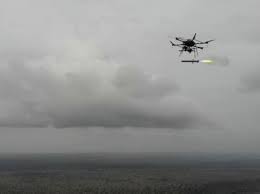
Sovereign defense ministries across the upper Gulf region have instituted high-level security protocols following an unprecedented wave of overnight military incursions that targeted critical civil infrastructure and localized transit hubs across Kuwait and Bahrain. According to official defense communiqués, integrated national armed forces successfully tracked and engaged a coordinated offensive containing at least thirty distinct ballistic missiles and autonomous tracking drones entering localized national airspaces at dawn. Military command centers, operating in tandem with unified regional coalition partners, utilized state-of-the-art air defense installations to actively neutralize thirteen ballistic threats directly over residential sectors, mitigating catastrophic ground casualties despite falling structural debris. In Kuwait City, emergency management crews were deployed to the international airport where a targeted drone impact on a primary civilian terminal forced an immediate suspension of operations, prompting local aviation authorities to safely redirect dozens of incoming international commercial flights. The Gulf Cooperation Council’s Secretariat General issued an immediate, unwavering statement of absolute political solidarity, strongly condemning the hostile cross-border maneuvers as a direct and unacceptable threat to maritime trade security and territorial integrity. Diplomatic missions across the region have subsequently summoned international envoys to formally register strict institutional rejections of sovereign airspace violations, urging global oversight bodies to enforce stricter non-aggression pacts. As internal security forces fortify vital energy production installations and metropolitan perimeters, the swift joint response underscores the expanding tactical coordination among GCC member states to collectively safeguard regional peace amidst rapidly shifting defense landscapes.