
 11
11
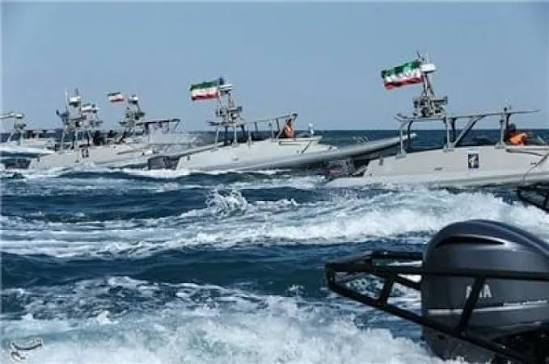
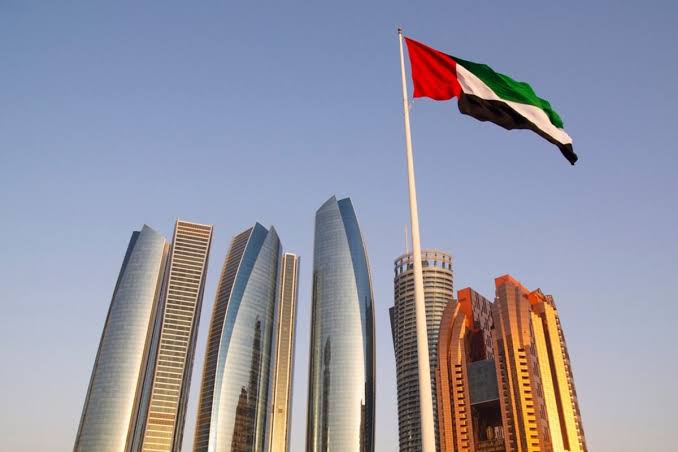
The vital energy arteries of the global economy are facing intense structural scrutiny as the member states of the Gulf Cooperation Council rapidly mobilize to insure against a lingering shipping crisis within the volatile Strait of Hormuz. Triggered by a series of regional geopolitical flare-ups over the past three months, the maritime impasse has fundamentally disrupted traditional shipping routes, creating a stark economic polarization among Gulf nations depending on their geographical assets. While Oman has leveraged its outward-facing coastlines to keep its main logistics terminals operating smoothly, landlocked Gulf waters have left Kuwait, Bahrain, and Qatar navigating severe operational backlogs that threaten to pinch broader domestic growth. In response to these shared economic vulnerabilities, the GCC Secretariat is holding urgent high-level strategy sessions aimed at introducing formal, region-wide physical and contractual “commodity swap” mechanisms to mitigate supply chain disruptions. Under this unified framework, affected states would be able to fulfill their global export obligations by dispatching equivalent oil or gas cargo directly from operational, bypass-capable ports like Fujairah in the UAE or Duqm and Ras Markaz in Oman. Strategists emphasize that this collective, burden-sharing pivot is no longer just a gesture of regional goodwill, but a critical national security imperative designed to prevent predatory competition, secure global client retention, and defend the core structural unity of the Gulf bloc.