
 11
11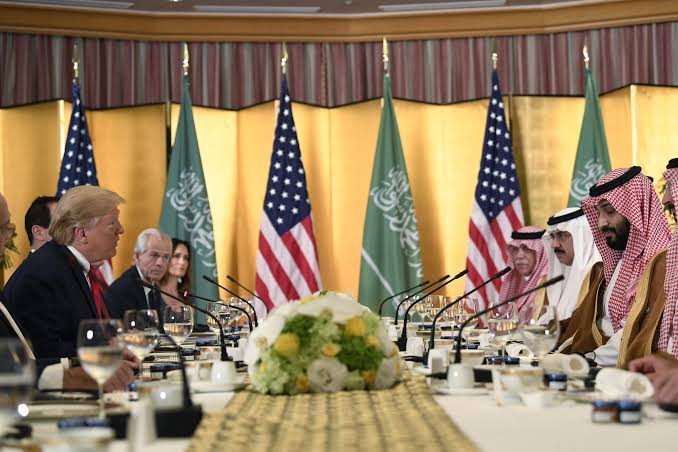
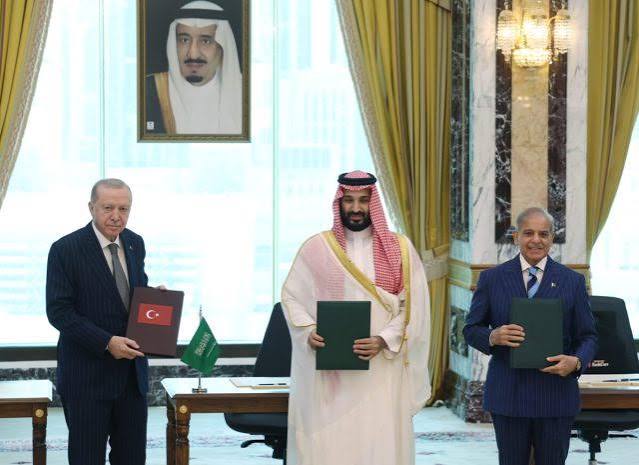
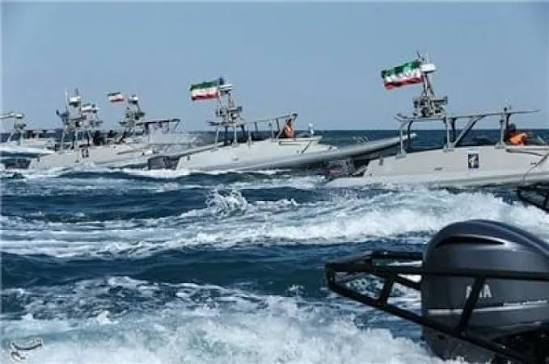
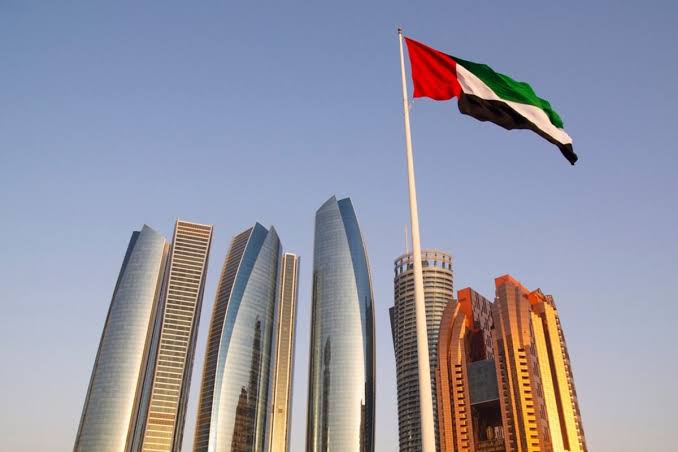
Top government officials and senior ministers in Saudi Arabia and the United Arab Emirates signaled a major diplomatic rapprochement, moving to publicly restore alignment following months of regional policy friction. The visual shift was headlined by public statements and high-level photographs featuring Saudi Defense Minister Prince Khalid bin Salman alongside Emirati Vice President Sheikh Mansour bin Zayed Al Nahyan, which were widely circulated by state figures and senior advisors across both nations. Senior leadership in Abu Dhabi and Riyadh emphasized the foundational “brotherly relations and strong partnership” between the Gulf’s two largest economies, aiming to counter narrative shifts and reset strategic coordination. Over recent months, economic competition and differing geopolitical strategies in regional security zones had tested bilateral ties. However, renewed regional security dynamics—including escalations in commercial shipping channels and regional drone threats—have highlighted the operational necessity of a unified Gulf Cooperation Council (GCC) stance. Joint diplomatic statements released by both foreign ministries reinforced that responsible media and official channels must reflect a shared strategic vision for regional stability, maritime safety, and economic cohesion. Analysts across the region note that this high-level reconciliation consolidates economic confidence, reassures international investors, and stabilizes defense cooperation across the Arabian Peninsula.