
 11
11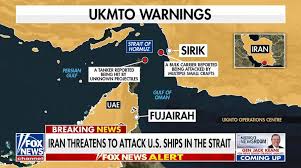
The member states of the Gulf Cooperation Council are actively exploring a series of highly sophisticated energy swap facilities to safeguard regional economies against ongoing maritime disruptions. Recent regional security threats have highlighted the stark structural vulnerabilities faced by Gulf nations, exposing varying levels of economic resilience among neighboring oil-producing states. While nations like Oman possess direct oceanic access, and Saudi Arabia and the United Arab Emirates can partially reroute crude via pipelines to alternative coastal terminals, other members remain highly vulnerable. Countries like Kuwait, Qatar, and Bahrain rely almost entirely on unhindered transit through the narrow waterway, meaning any maritime bottleneck presents an immediate threat of severe economic contraction. To counter these systemic logistical risks, regional energy ministers are considering the implementation of physical, contractual, and quality-based commodity swap arrangements through a centralized clearing system. This coordinated mechanism would allow an economically isolated or blockaded member state to fulfill its international delivery contracts by utilizing an equivalent volume of crude supplied from alternative regional ports. Implementing this unprecedented level of logistical solidarity requires immense coordination among national oil companies, major international refiners, maritime insurers, and premier buyers across Asian and European markets. The successful deployment of this safety framework relies heavily on Saudi Arabia’s vast logistical network and the expansive storage and refining capabilities located at Oman’s Duqm and Ras Markaz facilities. Geopolitical experts warn that a failure to establish a unified burden-sharing mechanism could force Gulf states into an inefficient, zero-sum competition for limited alternative export routes during future security crises. As diplomatic efforts continue to stabilize regional shipping lanes, the development of these advanced energy swap mechanisms underscores a collective realization that economic survival requires institutional solidarity.