
 111
111 2
2 3
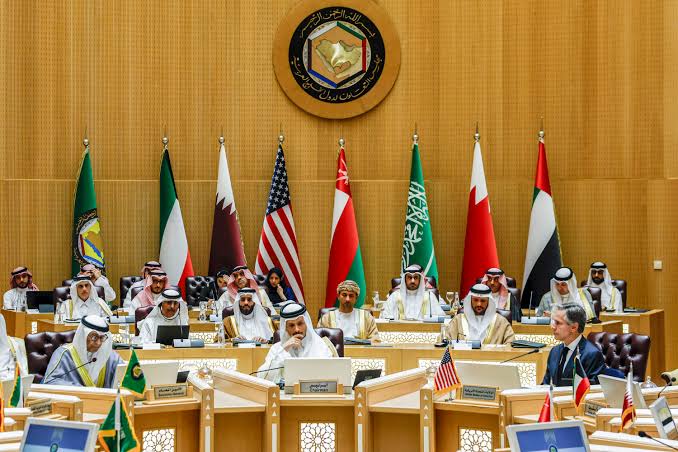
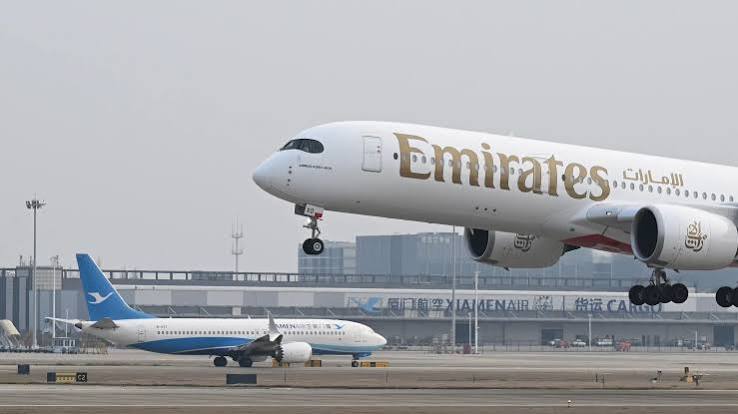
3 Rising security tensions and military activity in the Gulf region have led international governments to issue heightened travel warnings, triggering disruptions and operational adjustments across major Middle Eastern aviation hubs. Foreign ministries, including Canada’s Global Affairs and the U.S. State Department, formally raised risk advisories for travelers in Saudi Arabia, the United Arab Emirates, Qatar, Oman, and Jordan to “avoid non-essential travel” due to volatile airspace conditions and potential flight interruptions. International carriers such as Air France temporarily suspended select flights to key hubs including Dubai and Riyadh, while global passengers navigated rerouted schedules and heightened uncertainty across major transport corridors. Despite regional airspace strain, officials at Dubai International Airport (DXB) confirmed that the major global transit hub continues to operate near full capacity, working aggressively to accommodate affected transit traffic and stabilize international connection routes. Civil aviation authorities across the Gulf Cooperation Council (GCC) remain in continuous contact with international flight safety bodies to continuously monitor air corridors, manage altered flight paths, and maintain passenger safety across the region’s air transport network.