
 11
11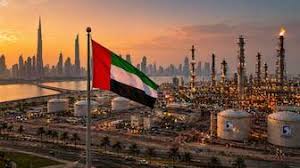
The global energy landscape experienced a massive shakeup as the United Arab Emirates officially finalized its complete withdrawal from the Organization of the Petroleum Exporting Countries (OPEC) and the broader OPEC+ alliance. Minister of Energy and Infrastructure Suhail Al Mazrouei formally announced that the calculated decision follows a comprehensive, long-term strategic review of the country’s domestic production capabilities. The historic exit reflects a major policy shift aimed at securing maximum operational flexibility to manage national oil output independently. UAE authorities emphasized that the country intends to gradually increase its crude oil production capacity to align directly with evolving global market demands. This autonomous approach frees the nation from rigid cartel-mandated production quotas that have previously restricted its domestic infrastructure investments. Industry experts note that the departure could fundamentally alter oil price discipline mechanisms traditionally orchestrated by Gulf nations. Geopolitical analysts also suggest that the timing of the exit relates directly to navigating supply disruptions around the strategic Strait of Hormuz. Despite leaving the alliance, the UAE affirmed its commitment to maintaining balanced energy cooperation with international consumers. The country plans to pivot aggressively toward maximizing its immediate fossil fuel revenues to fund its massive green transition projects. Meanwhile, global oil markets reacted with immediate volatility as traders recalibrated long-term supply forecasts without the UAE’s cartel participation. The move is widely seen as a bold assertion of national economic sovereignty over traditional collective oil diplomacy. Consequently, this landmark decision marks the end of an era for decades of coordinated production policies within the Arabian Gulf.