
 11
11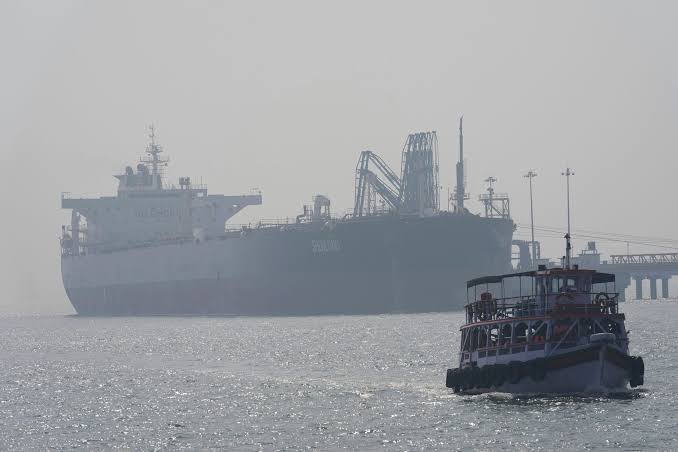
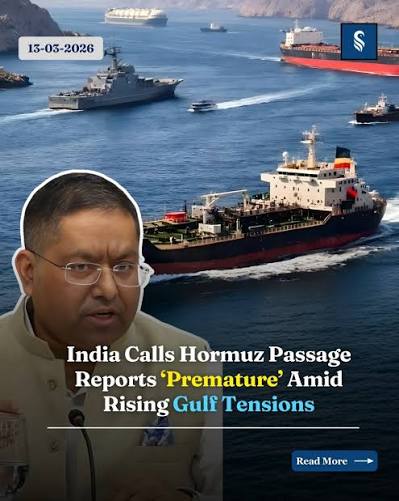
A severe geopolitical escalation in West Asia has forced Gulf Cooperation Council (GCC) nations to rapidly overhaul their long-term supply chain and maritime transit strategies. The urgent shift follows intensive missile and drone strikes targeting commercial vessels navigating through the international waterway, which has effectively frozen a fifth of the world’s daily oil supply. Nations including the United Arab Emirates, Bahrain, Oman, and Kuwait reported coming under direct attack, drawing widespread international condemnation from regional allies like Egypt. United Nations Secretary-General António Guterres expressed deep concern over the hostilities, warning that a return to full-scale warfare would bring catastrophic economic consequences globally. The uptick in regional violence has caused standard maritime insurance premiums to skyrocket overnight, leaving roughly 6,000 global seafarers stranded aboard scores of commercial vessels. In response to the crisis, prominent port operator DP World has initiated high-level talks to develop massive new coastal facilities in the strategic area of Fujairah. The emergency plan aims to take immediate operational pressure off Dubai’s flagship Jebel Ali port, which recently suffered damage from falling missile debris. By building out alternative transport networks that face the Arabian Sea, the UAE and its neighboring allies are seeking to bypass the volatile waterway entirely. Regional economists note that while Jebel Ali successfully turned the UAE into a global financial hub, absolute reliance on the Strait is no longer viable. Meanwhile, cross-border freight rail projects and overland trucking routes linking Saudi Arabia directly to Omani ports are being fast-tracked by regional ministries. The United States military has simultaneously deployed advanced, first-of-its-kind autonomous drone boats to strike back at hostile regional targets. Despite a fragile maritime Memorandum of Understanding signed last month, diplomatic efforts between Washington and Tehran have struggled to restore freedom of navigation. Energy analysts warn that if the naval blockade persists, crude oil prices will experience unprecedented volatility, disrupting winter energy reserves worldwide. In light of these threats, Gulf sovereign wealth funds are drastically reallocating resources toward domestic food security and autonomous defense infrastructure. The coordinated pivot underscores a profound structural realization among Gulf leaders that regional economic resilience must be decoupled from vulnerable maritime choke points. As construction machinery moves into Fujairah, the Gulf states are officially preparing for an independent trade future that minimizes exposure to localized military conflicts.