
 11
11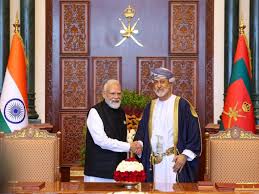
A dynamic transformation in West Asian commerce has officially commenced as the Comprehensive Economic Partnership Agreement (CEPA) between the Republic of India and the Sultanate of Oman enters its formal operational phase across both nations. The long-awaited bilateral trade pact establishes a deeply integrated economic bridge, immediately granting Indian exporters one hundred percent duty-free market access into Omani ports for key industrial commodities, including high-grade textiles, leather goods, specialized plastics, and agricultural products. A highly unique and innovative provision embedded within the finalized framework completely reshapes traditional corporate labor structures by allowing domestic investors operating inside Muscat to directly onboard specialized workers without traditional local labor constraints. Trade ministry officials from both capitals emphasize that this strategic labor concession is explicitly designed to accelerate infrastructural developments, simplify operational logistics for multinational firms, and foster deeper corporate collaboration across the expanding Indian Ocean trade corridor. Energy and heavy industrial refiners across the subcontinent are looking to this active partnership to diversify and stabilize their crude resource portfolios, successfully mitigating broader international supply line shocks caused by ongoing geopolitical bottlenecks in the nearby Strait of Hormuz. Financial analysts predict that the immediate reduction of non-tariff technical barriers will spark a massive wave of joint-venture manufacturing plants, particularly within Oman’s rapidly developing industrial free zones that cater to global shipping routes. By systematically linking the vast manufacturing talent pool of South Asia with the strategic maritime geography of the Arabian Peninsula, this operational trade treaty sets a highly sophisticated template for modern South-South economic integration.